

Sobre el proyecto
Estamos construyendo un modelo escalable que apoye a quienes protegen los ecosistemas peruanos y que también fortalezca la gestión de otras áreas críticas de Latinoamérica.
Nuestro punto de partida
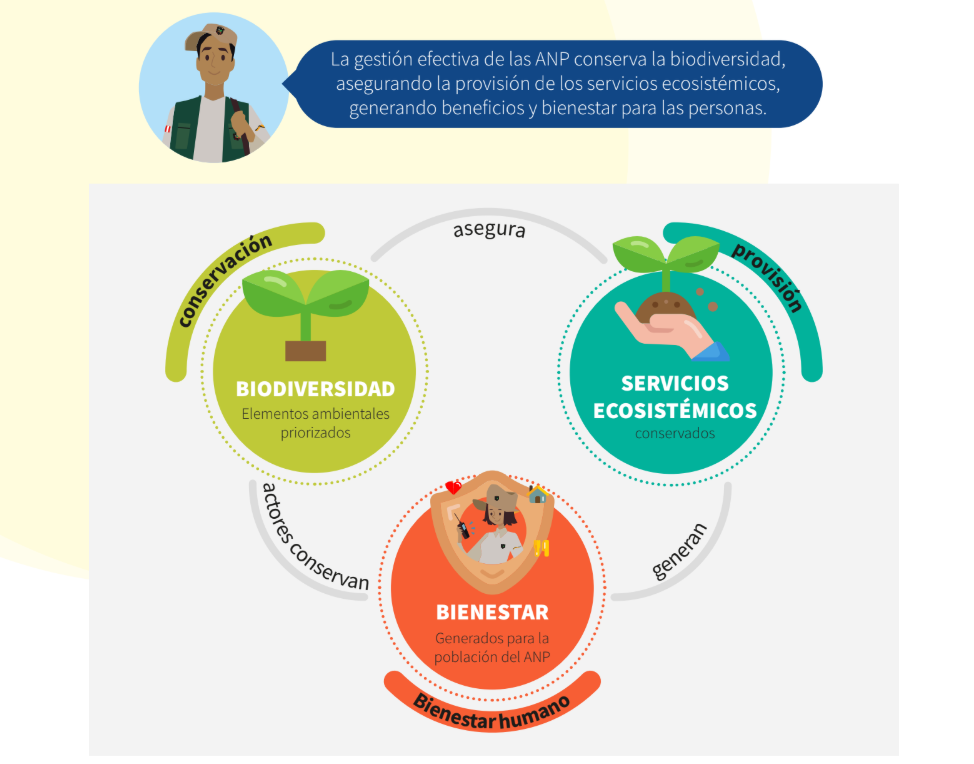
La investigación científica en Áreas Naturales Protegidas (ANP) es una herramienta fundamental, que provee insumos durante todo el ciclo de gestión, apoyando la conservación de la biodiversidad y la provisión de los servicios ecosistémicos que benefician a las personas. El Plan Director (PD) del Sistema de Áreas Naturales Protegidas – SINANPE (2025) reconoce la investigación como una actividad inherente a la gestión de las áreas naturales protegidas y del SINANPE, ya que aporta información importante para la toma de decisiones.
En la Amazonía peruana, el Servicio Nacional de Áreas Naturales Protegidas por el Estado – SERNANP (ente rector del SINANPE), protege aproximadamente 20 millones de hectáreas de bosques tropicales y ecosistemas de agua dulce, por lo que la disponibilidad de investigaciones e información científica es fundamental para ejercer una gestión efectiva. Sin embargo, un diagnóstico realizado por el proyecto reveló que el 60% de los y las jefes de ANP no cuenta con dicha información disponible cuando la necesita.

Mono Negro – Parque Nacional Alto Purús
Créditos: SERNANP
YELL Climate Change Station 2
La iniciativa Ciencia para Áreas Naturales Protegidas
Lanzada en 2018, esta iniciativa busca una gestión de excelencia basada en evidencia científica para la sostenibilidad de las áreas protegidas. Esta gestión de excelencia se basa en la generación de conocimientos, transformando la información científica en herramientas prácticas para su aplicación a nivel de área como a nivel de políticas.
Nuestro proyecto actual
El proyecto “Ciencia y Gestión Efectiva de las Áreas Naturales Protegidas en Perú” fue codiseñado para mejorar la gestión efectiva de las áreas naturales protegidas, abordando estratégicamente algunas brechas en la comprensión y aplicación de la ciencia en el personal de las ANP y sus socios clave, es decir, acercando la ciencia a la toma de decisiones políticas. Para ello, se enfoca en mejorar la interacción entre investigadores y gestores de ANP y en fortalecer la capacidad científica en áreas protegidas de la Amazonía.
La meta del proyecto va más allá de contribuir a una institución en particular, sino más bien de fortalecer el SINANPE en su conjunto, mediante el codiseño de alianzas duraderas entre la academia, la sociedad civil y el Gobierno, a fin de que puedan permanecer y funcionar eficazmente más allá de la duración del proyecto. Especialmente en la Amazonía, donde las causas incluyen tanto factores sociales como ambientales.
Por ejemplo, la reciente crisis de incendios en la Amazonía peruana ha evidenciado la urgencia de contar con investigaciones que expliquen las causas de estos fenómenos.
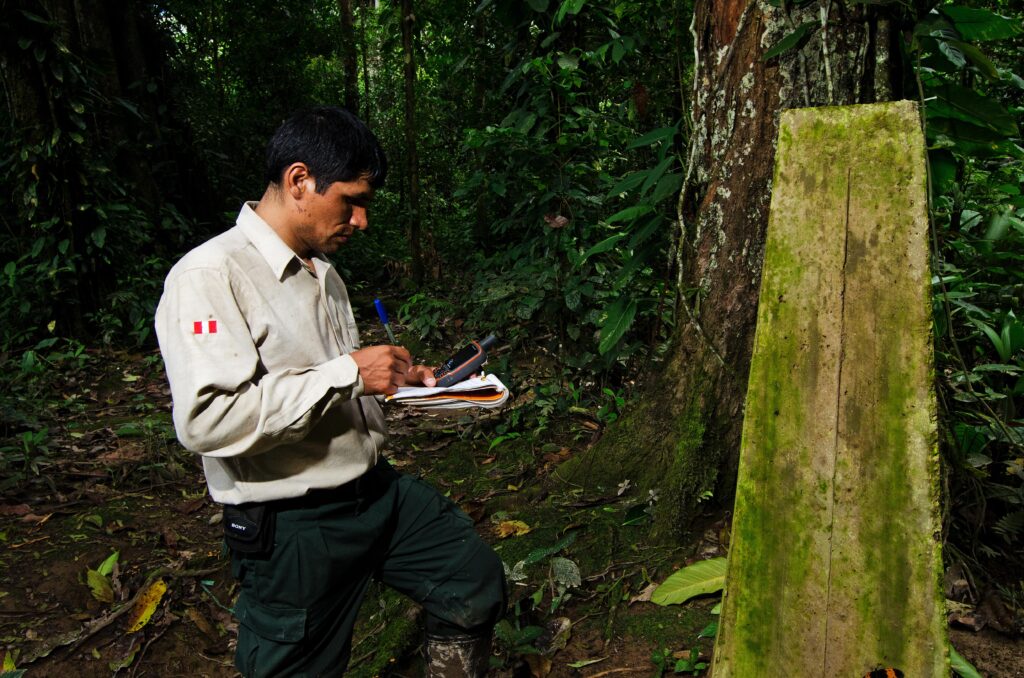
Parque Nacional Tingo María
Créditos: SERNANP
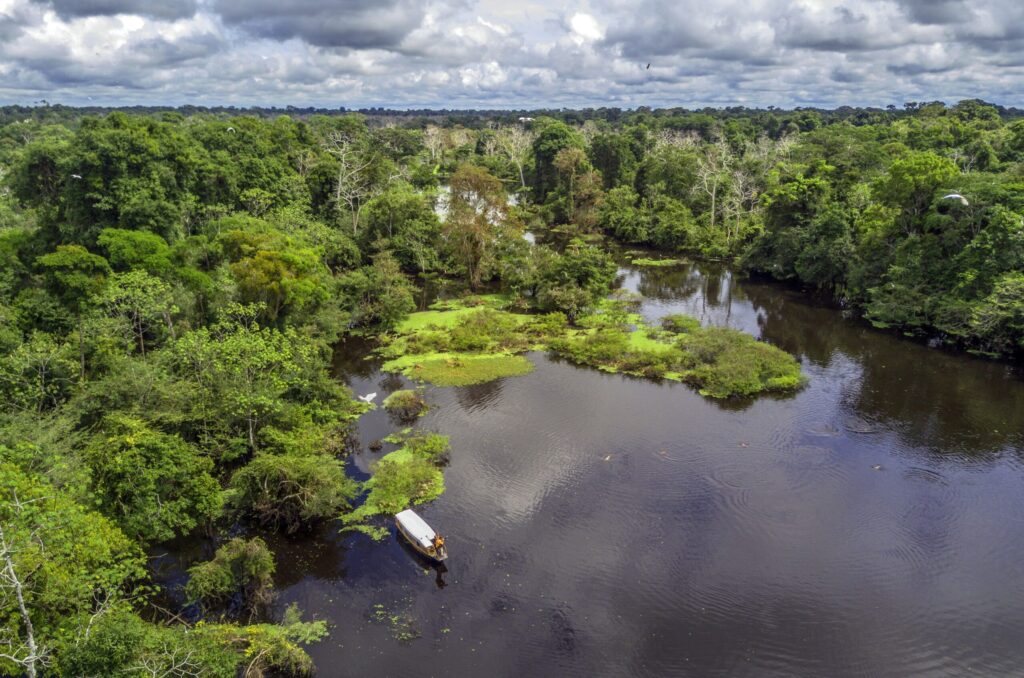
Comunidad Yarina – Reserva Nacional Pacaya Samiria
Créditos: SERNANP
Objetivo
Objetivos Específicos
- Mejorar el acceso y uso de la información científica en la toma de decisiones de ANP.
- Fortalecer el desarrollo de capacidades del personal técnico, guardaparques, y tomadores de decisiones del SERNANP.
Estrategias
01
Establecer nuevas alianzas para coordinar y ejecutar investigaciones prioritarias vinculadas a las ANP.
02
Brindar capacitación en la interpretación y uso de la evidencia científica en la toma de decisiones.
03
Impulsar la formación en liderazgo y gestión basada en evidencia de las ANP (becas para cursos en los Estados Unidos: ISPAM y viajes técnicos a parques nacionales)
04
Impartir un nuevo curso de formación permanente (el Seminario Internacional sobre el Manejo de Áreas Protegidas – SIMAP – Perú)
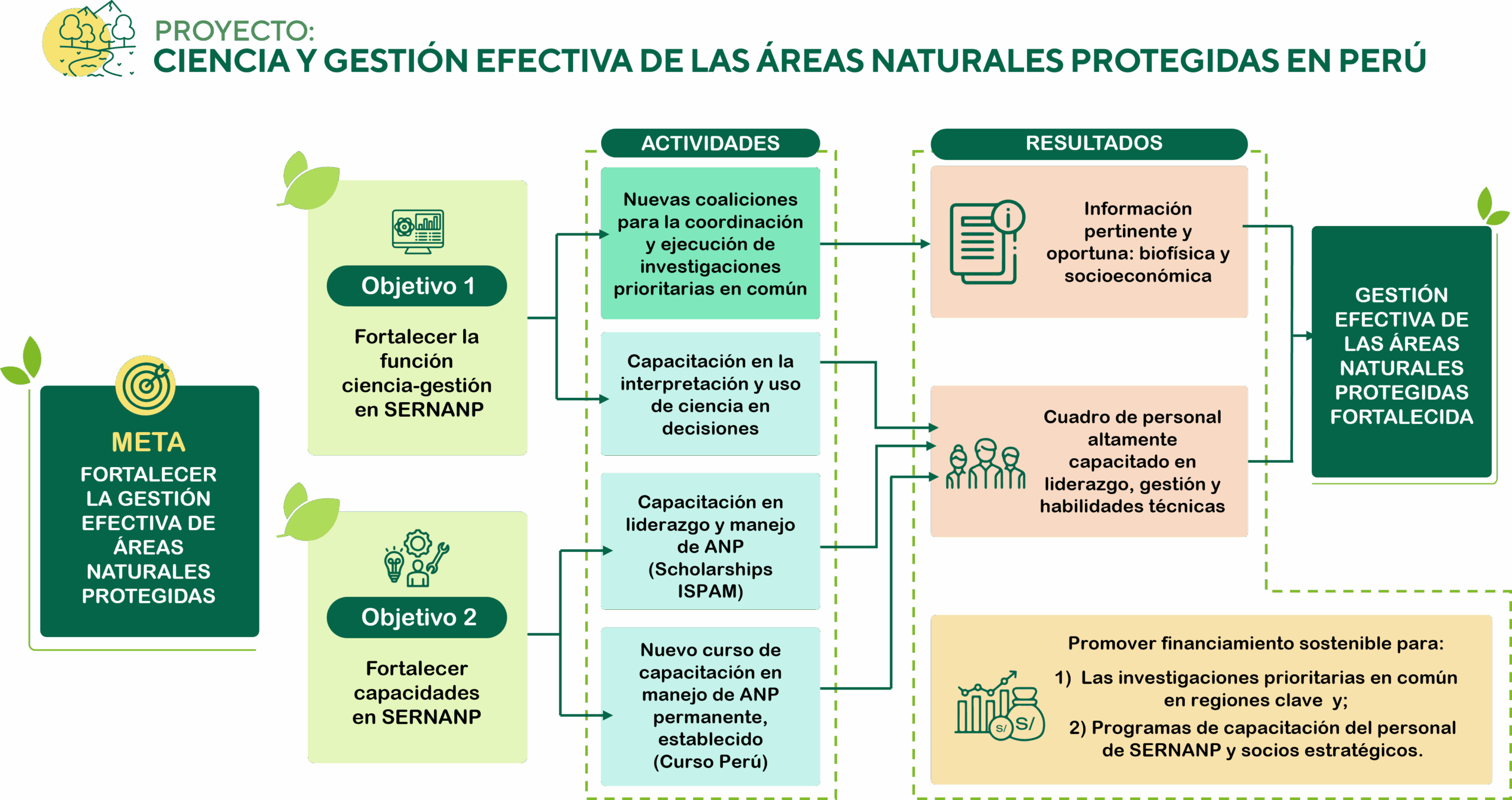
Marco lógico del proyecto
Nuestro equipo
Conoce al equipo de especialistas que conforman el proyecto
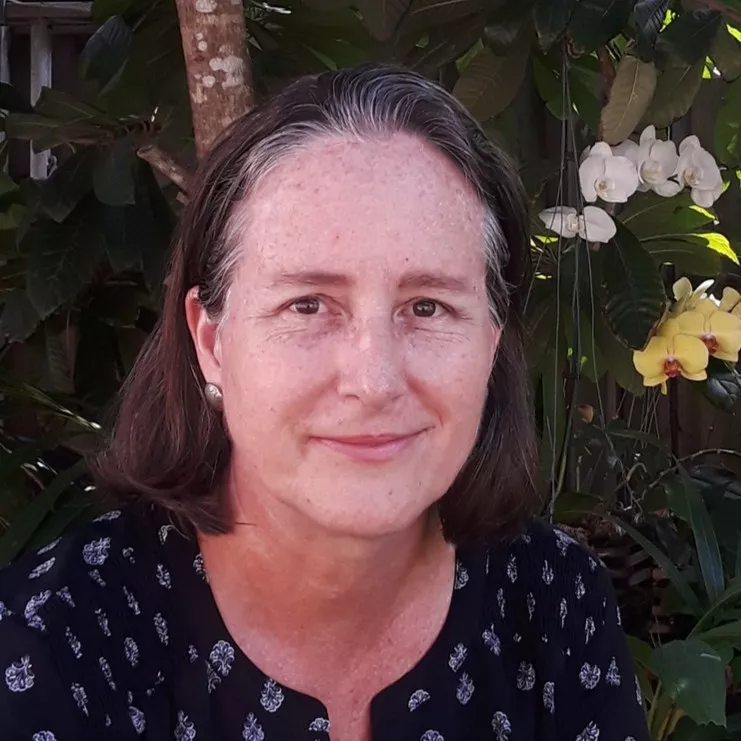
Equipo WFU
Codirectora

mitchelc@wfu.edu
Doctora en Biología, es profesora de Investigación en Biología y miembro del Centro Familiar Andrew Sabin para el Medio Ambiente y la Sostenibilidad de la Universidad Wake Forest. Se licenció en Zoología por la Universidad de California, Davis, y obtuvo un máster y un doctorado en Biología por la Universidad de Princeton. Tiene amplia experiencia en investigación científica y conservación en Perú, y trabajó 15 años con el Servicio de Parques Nacionales de EE. UU como Directora Adjunta para la Ciencia en el Centro de Recursos Naturales del Sur de Florida.
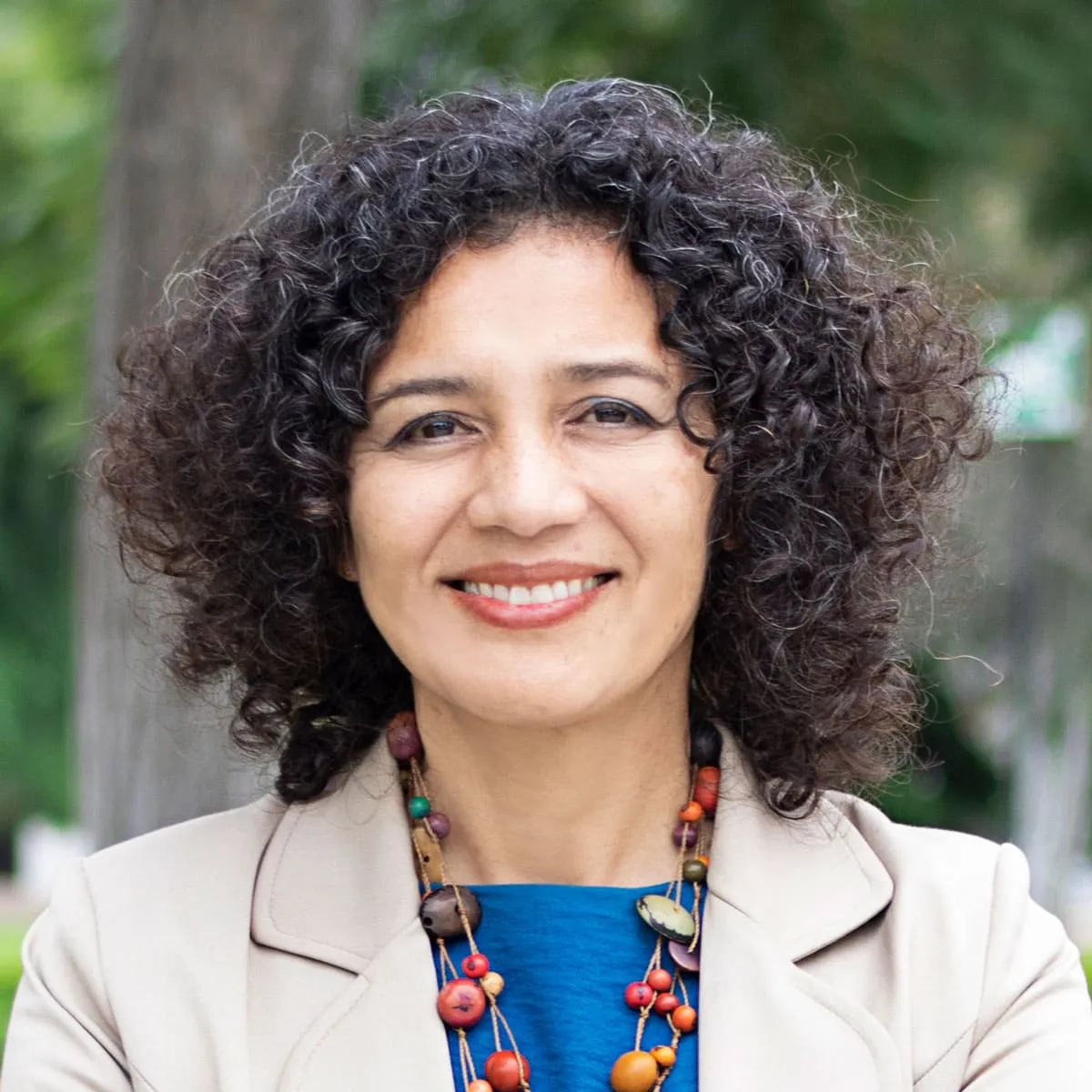
Equipo EGPP, Equipo WFU
Codirectora
c.mirandab@pucp.pe
Magíster en Políticas y Gestión Pública por PUCP con estudios de posgrado en la Universidad de Montreal, Canadá. Durante 15 años ha trabajado en el sector público en Perú, desde el Ministerio del Ambiente, Servicio Nacional Forestal y de Fauna Silvestre y CONAM, así también como consultora para Naciones Unidas, Centro Internacional de Investigación Forestal, y USAID. Actualmente es consultora y docente de la Escuela de Gobierno y Políticas Públicas de la PUCP, así como co directora del proyecto “Ciencia y Gestión Efectiva de las Áreas Naturales Protegidas en Perú» implementado por Wake Forest University, Colorado State University y PUCP.
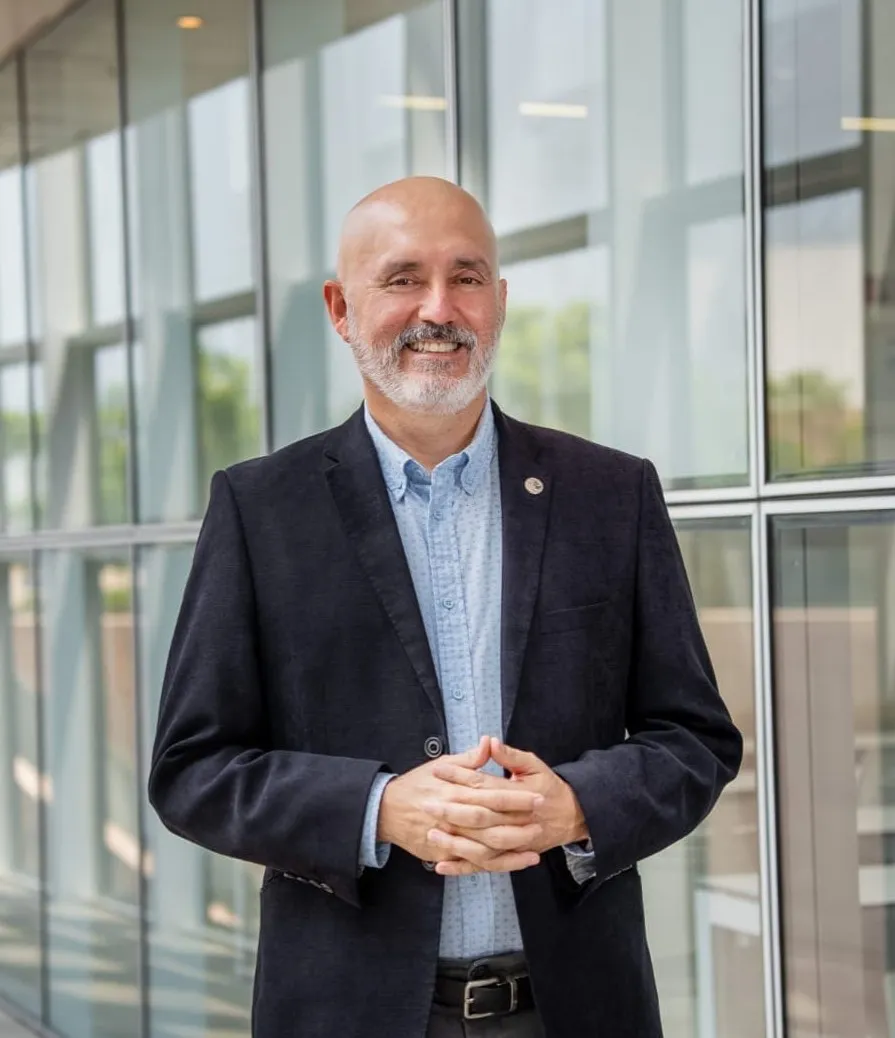
Equipo EGPP
Partner / Especialista en Políticas Públicas
flavio.ausejo@pucp.pe
Magíster en Regulación de Servicios Públicos de London School of Economics y Magíster en Política Pública en América Latina de la Universidad de Oxford. Licenciado en Economía de la PUCP. Ha sido miembro del Consejo Directivo de la Superintendencia Nacional de Servicios de Saneamiento. Actualmente se desempeña como Director de Educación Continua de la PUCP y Director de Educación Continua de la Escuela de Gobierno y Políticas Públicas de la PUCP.
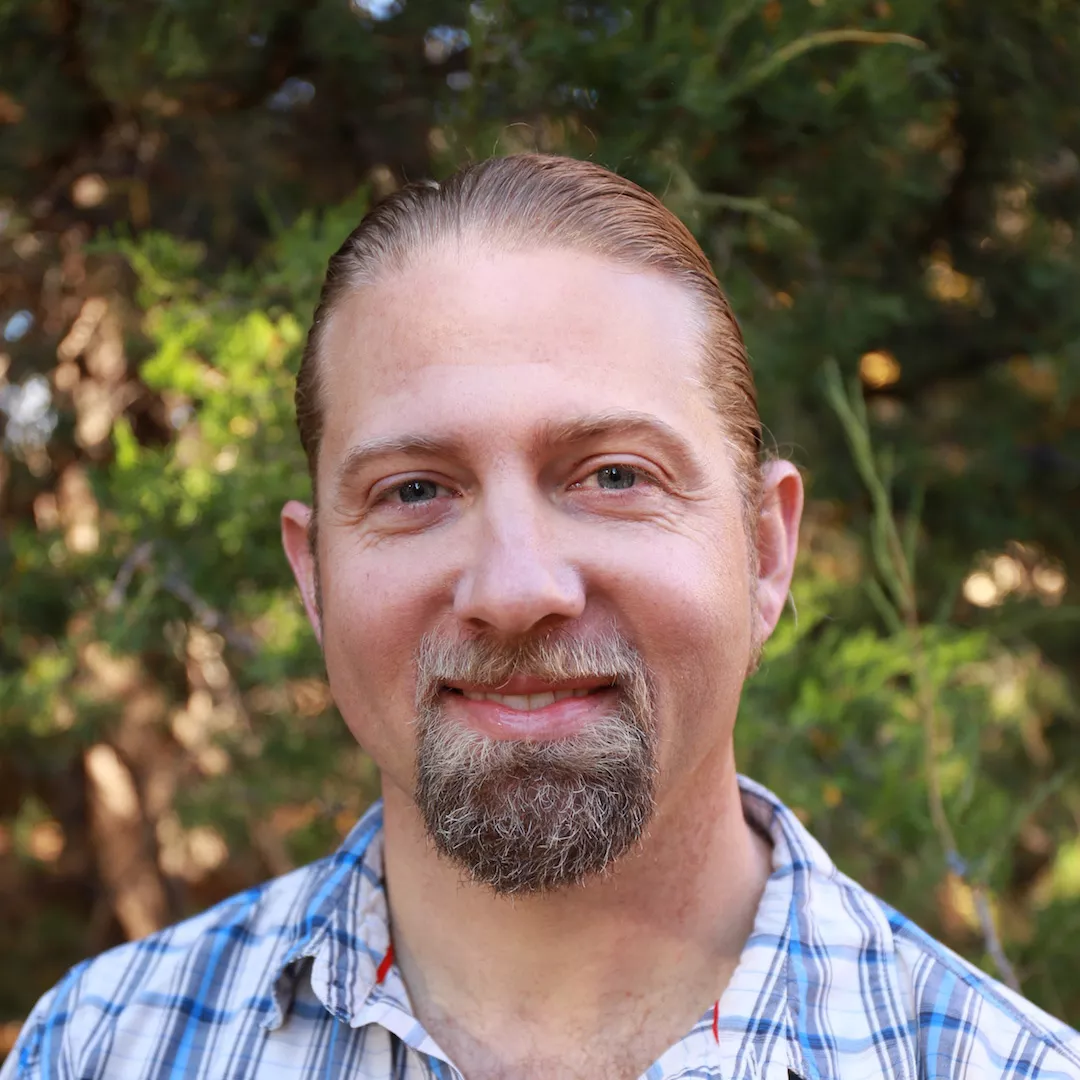
Equipo CSU
Miembro del equipo directivo
ryan.finchum@colostate.edu
Licenciado en Ciencias Ambientales y Geografía por la Universidad Estatal de Luisiana y máster en Gestión de Áreas Protegidas por la Universidad Estatal de Colorado. Trabajó extensamente en América Latina, inicialmente como voluntario del Cuerpo de Paz con la Estación Científica Charles Darwin en las Islas Galápagos, seguido de casi una década como operador de ecoturismo en Mesoamérica. Miembro de la Comisión Mundial de Áreas Protegidas (CMAP) y de la Comisión de Educación y Comunicación (CEC) de la UICN, Ryan actualmente es Director del Centro de Manejo de Áreas Protegidas en la Universidad Estatal de Colorado.
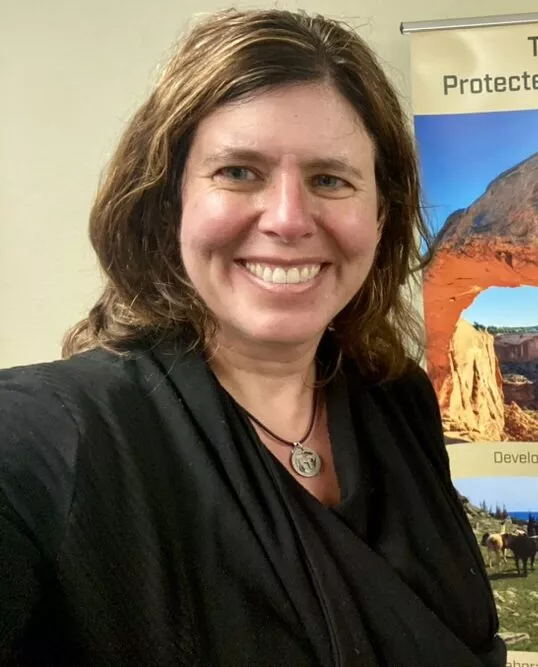
Equipo CSU
Miembro del equipo directivo
erin.j.hicks@colostate.edu
Erin es licenciada en ilustración por la Universidad Estatal de California, Fullerton, y tiene un máster en liderazgo para la conservación por la Universidad Estatal de Colorado. Ha trabajado para el Fondo del Gobernador para el Clima y los Bosques, y el Cuerpo de Conservación de California, el Servicio Forestal de Estados Unidos, los Parques Estatales de California, el Departamento de Pesca y Vida Silvestre de California y el Servicio de Parques Nacionales de Estados Unidos. Erin actualmente es Directora Adjunta del Centro de Manejo de Áreas Protegidas en la Universidad Estatal de Colorado.
Hacia el 2026 y más allá
Para el año 2026, aspiramos a un sistema de Áreas Naturales Protegidas fortalecido, donde la ciencia sea parte intrínseca de la toma de decisiones y el personal técnico cuente con programas de capacitación permanente.
El propósito final es que esta alianza perdure, se adapte y siga transformando la conservación de la Amazonía, aún cuando el proyecto haya terminado.
Lago Junín – Reserva Nacional de Junín
Créditos: SERNANP
¿Quieres sumarte?
¡Te invitamos a conocer nuestra iniciativa! Puedes unirte a la Comunidad de Aprendizaje, participa en nuestras actividades e impulsemos juntos soluciones pertinentes y alineadas al contexto nacional.